The Idea Is the Currency Now
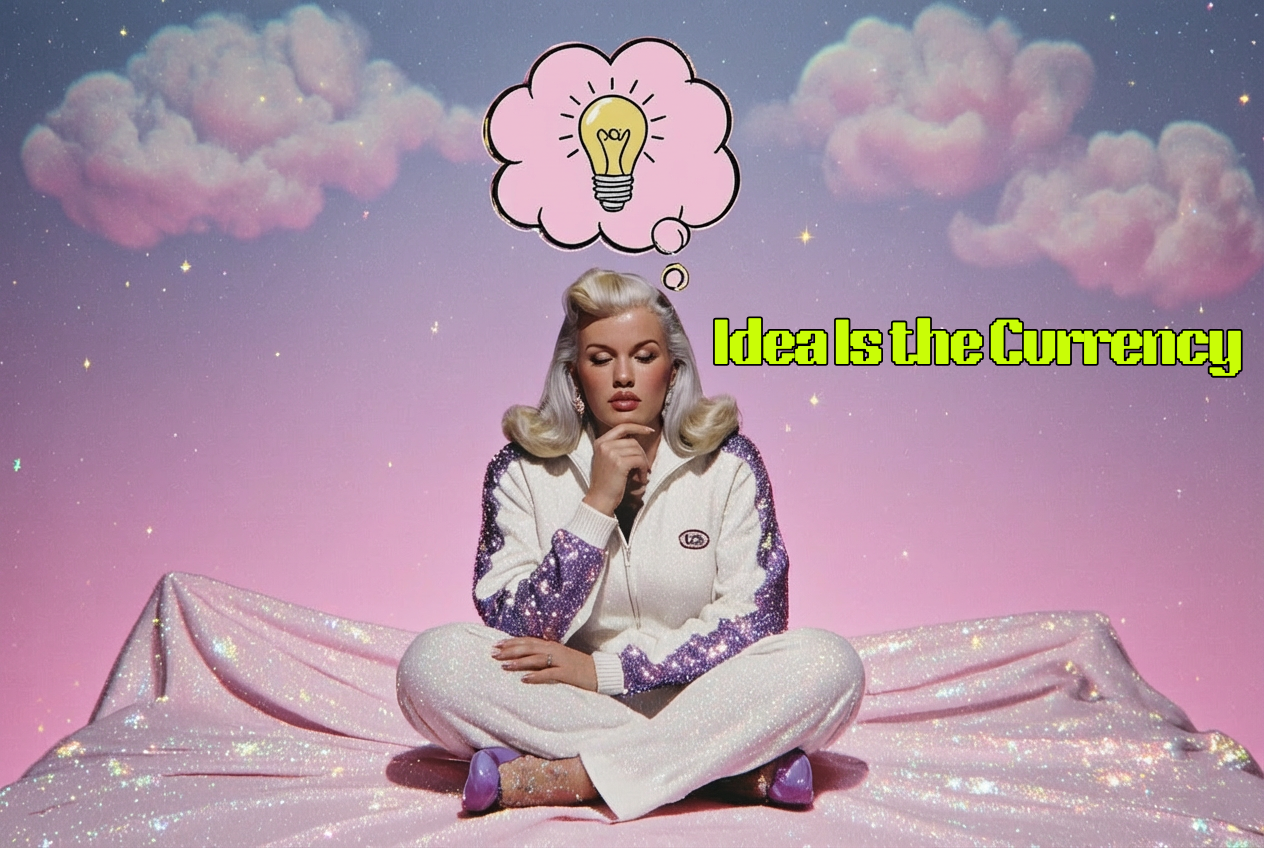
A fellow creator, Xavi Cardona of Boldtron, said something recently that I haven't been able to stop thinking about. It was simple, almost offhand, but it landed with weight ; *the idea is now the currency.*
Xavi and his brother Daniel are the Barcelona-born duo behind Boldtron, and if you move in AI creative circles you will almost certainly know their work.
Coming from over twenty years of experience in 3D, CGI, and VFX; working as art directors and illustrators across Europe and Asia, they are not people who stumbled into AI from nowhere.
They brought deep technical pipelines and hard won creative discipline to the tools from day one, and the work reflects it.
Xavi has become one of the most respected voices in the community, not only for the quality and originality of what Boldtron produces, but for the role he plays in shaping how the broader creative ecosystem engages with these tools most notably through his involvement in Krea's creative partnership program, where he has been central to developing and overseeing how serious artists work with the platform.
I won't claim to be influenced by Boldtron's specific aesthetic, they have a visual language that is entirely their own and not something to be borrowed lightly. But the willingness to push into new territory, to treat emerging tools as creative infrastructure rather than novelty, and to do so without abandoning the craft foundations that twenty years of professional work built, that has been an influence on how I think about my own practice. The spirit of it, if not the style.
We were both contributors to the visual work for Kali Uchis' Sincerely Tour; background visuals for live shows that also featured the work of another extraordinary AI artist; Ariel Rosso, an Oakland-based art director whose dreamy, pastel-hued work blends fine art, photography, and AI in a way that is completely singular.
Seeing that work live, alongside more traditionally produced CG, on a major international stage was its own kind of proof of concept for what this moment in creative technology actually represents.
AI-generated work, made by independent artists with genuine vision, holding its own in one of the most scrutinised visual contexts there is.
Which brings me back to what Xavi said. In a world where anyone can create anything, that observation cuts right to the heart of what creative value actually is and where it's going.
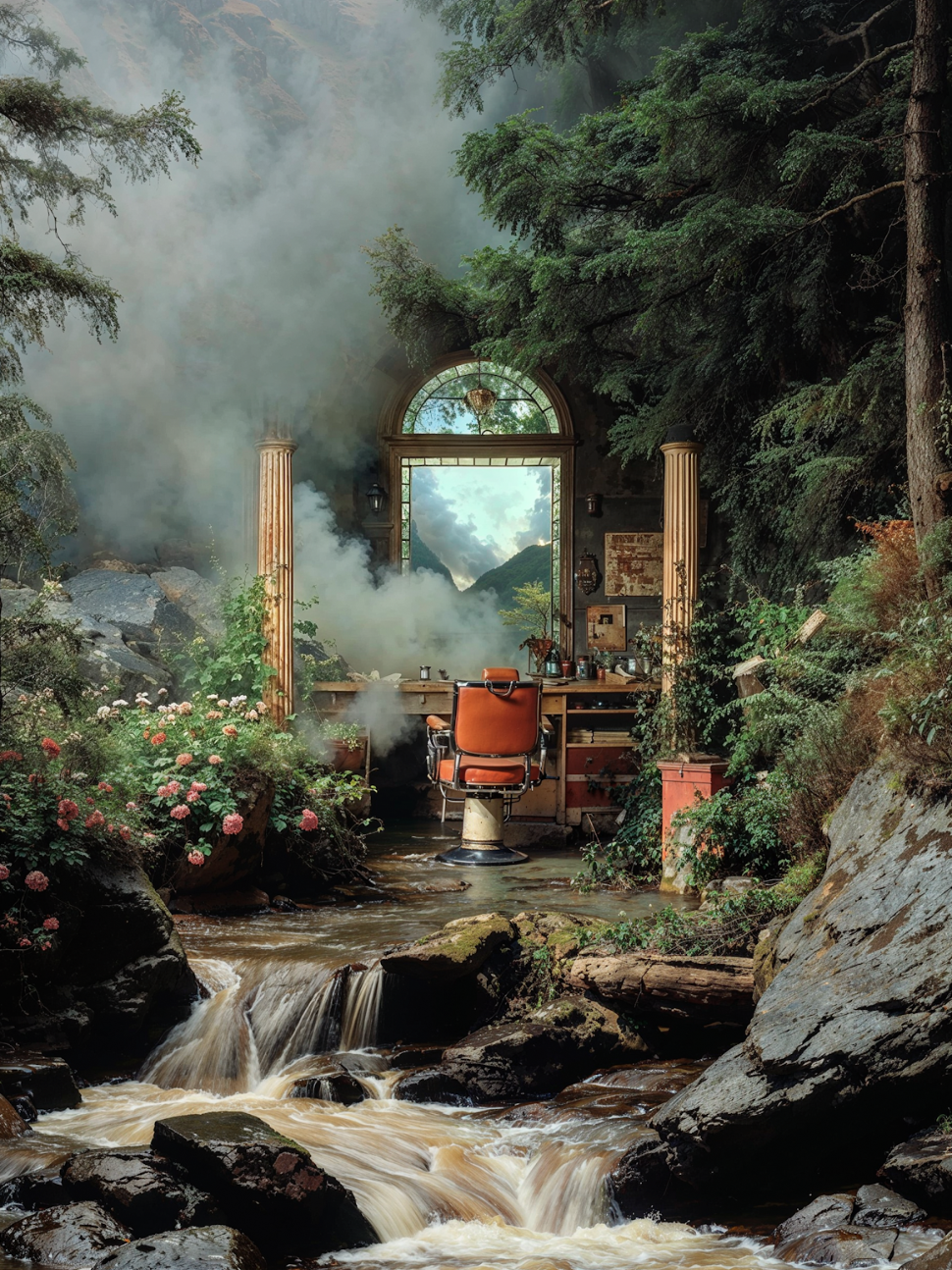
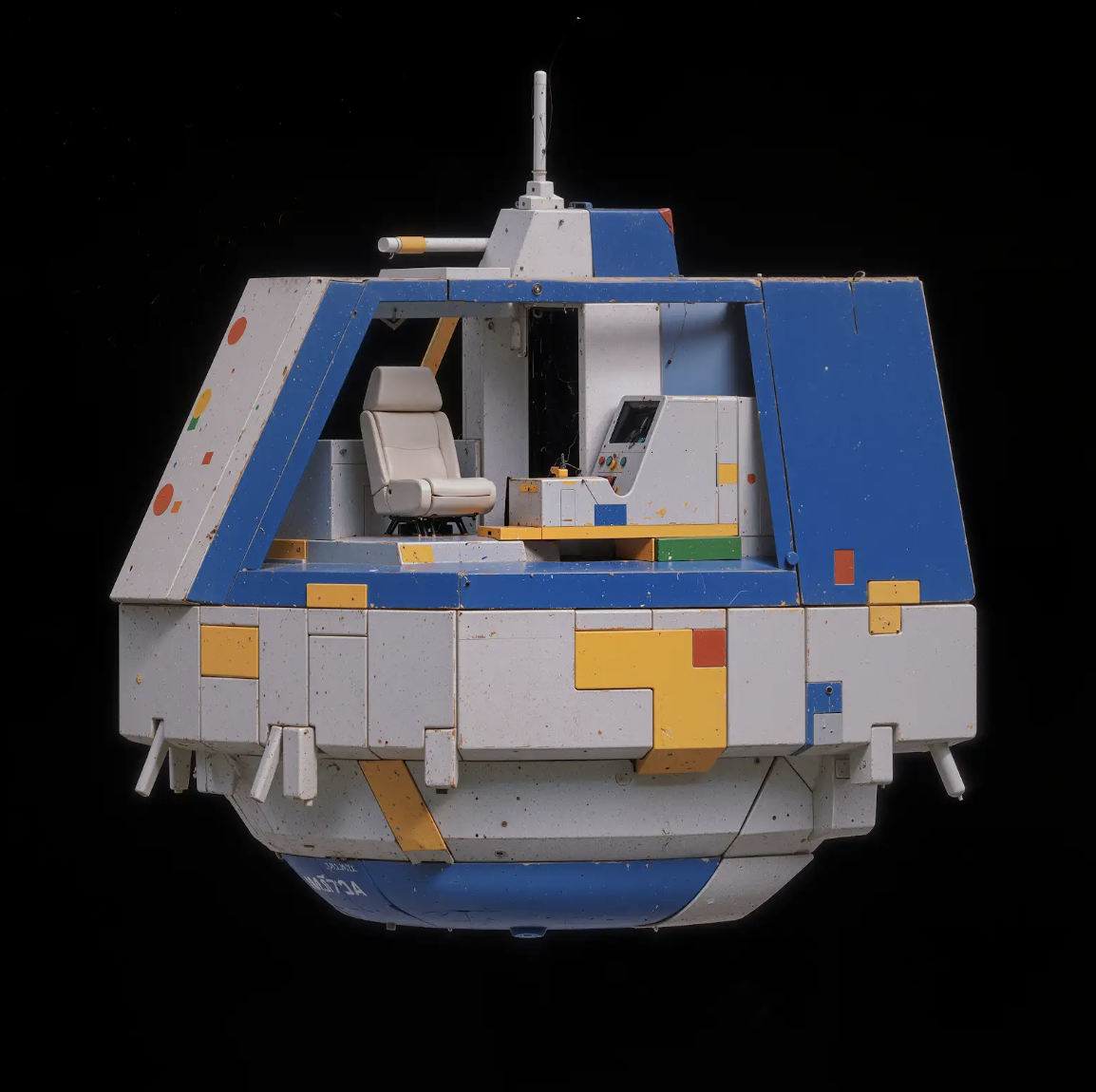
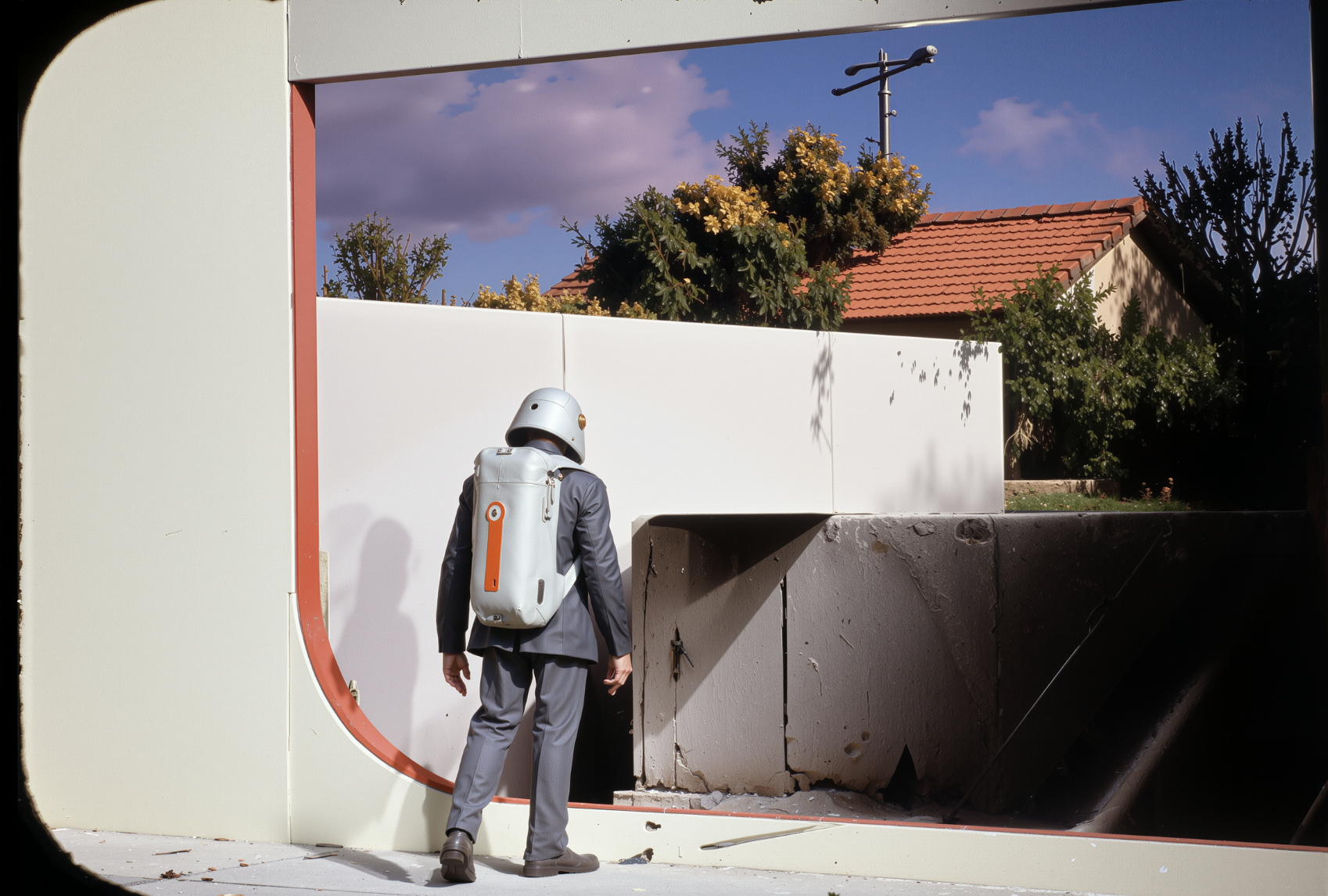
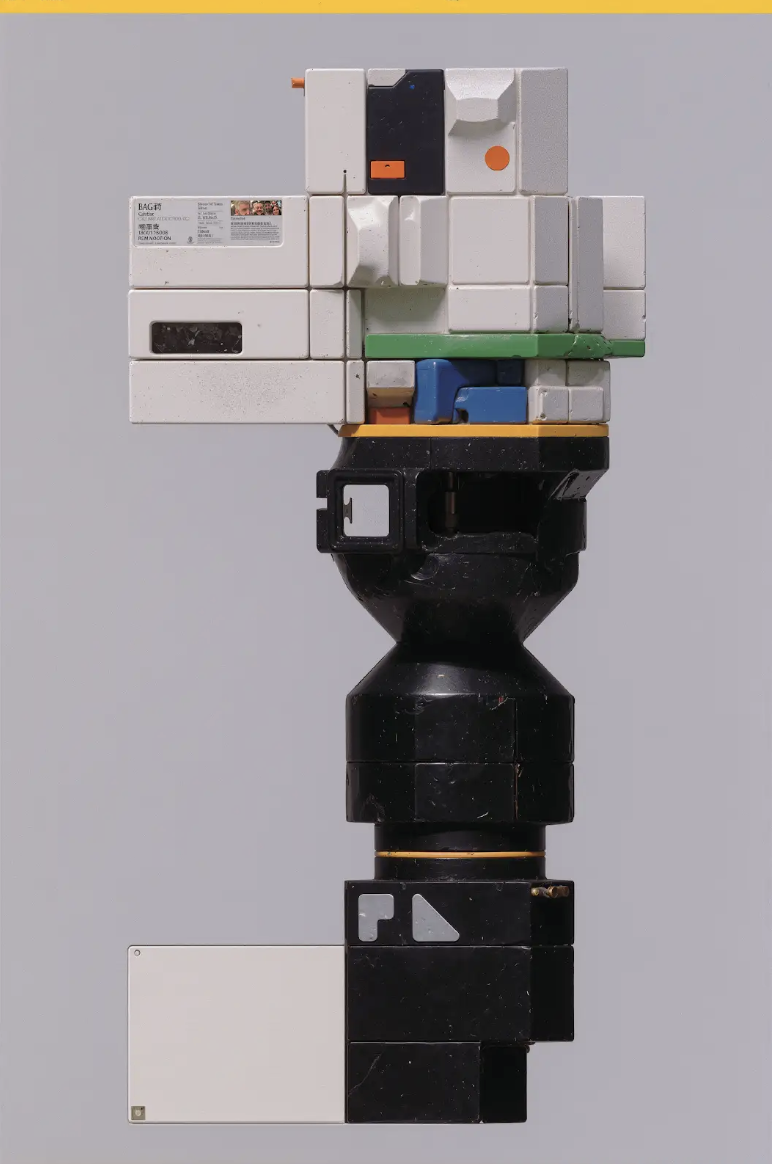
Work by Boldtron
The Levelling Has Happened. Now What?
For most of creative industry history, execution was the barrier. You had an idea? Great. Could you afford the studio, the crew, the talent, the equipment, the post production, the distribution? Could you get in the room with the people who controlled all of those things? If not, the idea stayed in your head, and someone with more resources made a worse version of it, or didn't make it at all.
AI has changed that equation in ways that are still being absorbed. The budget barrier to visual production has collapsed. A single creator with a laptop and a subscription can now produce imagery, video, and audio that would have required a six-figure production budget five years ago. That is not hyperbole, it is a straightforward description of where the technology sits in 2026.
The playing field has tilted. Not perfectly level, not without its own new hierarchies, but tilted meaningfully in favour of the person with the idea, rather than the person with the capital.
But here's where it gets interesting, and where a lot of people are getting the story wrong: levelling the production barrier doesn't make ideas cheaper. It makes them more expensive, in the sense that they become the primary differentiator. When everyone can execute, what separates you is what you thought of.
Don't Confuse Accessible Tools With Free Creation
There's a romanticised version of the AI creative revolution that glosses over something important: this stuff isn't free. Credits cost money. Good tools cost money. Time, the most finite resource any creator has, costs money.
The hours spent learning how to use these platforms, developing a workflow, understanding their limitations and their possibilities, are hours that have real value and real cost attached to them.
The barrier to entry has lowered. The investment required to produce genuinely good work has not.
If you are treating AI image or video generation as a vending machine; prompt in, output accepted, done, you will get vending machine results.
Distinguishing yourself requires exactly the same things it always has: vision, taste, craft, and the relentless willingness to iterate until the work is right.
The tools are more accessible. The talent required to use them well is not.
The Pivot to AI in Advertising Was Always About Two Things
Right now, we are watching a significant and accelerating pivot in the advertising industry toward AI-generated content. It's happening at agency level, at brand level, and at the indie creator level, and it's being driven by two forces that are worth separating, because they have very different shelf lives.
The first is cost. AI production is dramatically cheaper than traditional production for many categories of content. That's real, it's durable, and it's going to permanently reshape how certain types of content get made. The economics are not going back.
The second is novelty. AI-generated advertising is new, and new is interesting. There's a category of brand right now that wants the conversation around AI, wants the awareness, the edge, the signal that they are technologically forward. For those brands, AI isn't just a production tool, it's a positioning statement.
Novelty, by definition, expires. And there's a third force now entering the picture that neither pure cost logic nor novelty fully accounts for: backlash.
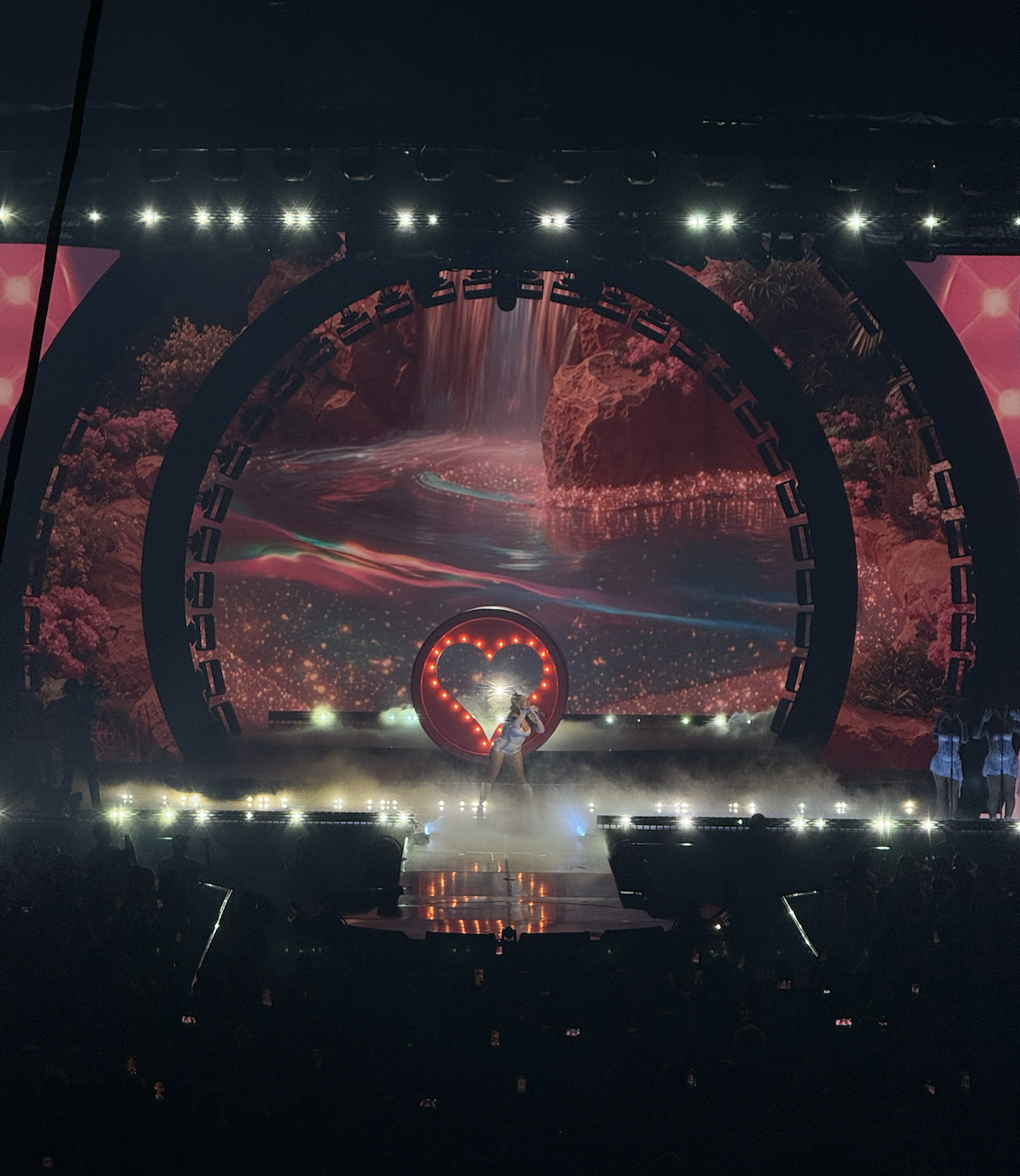
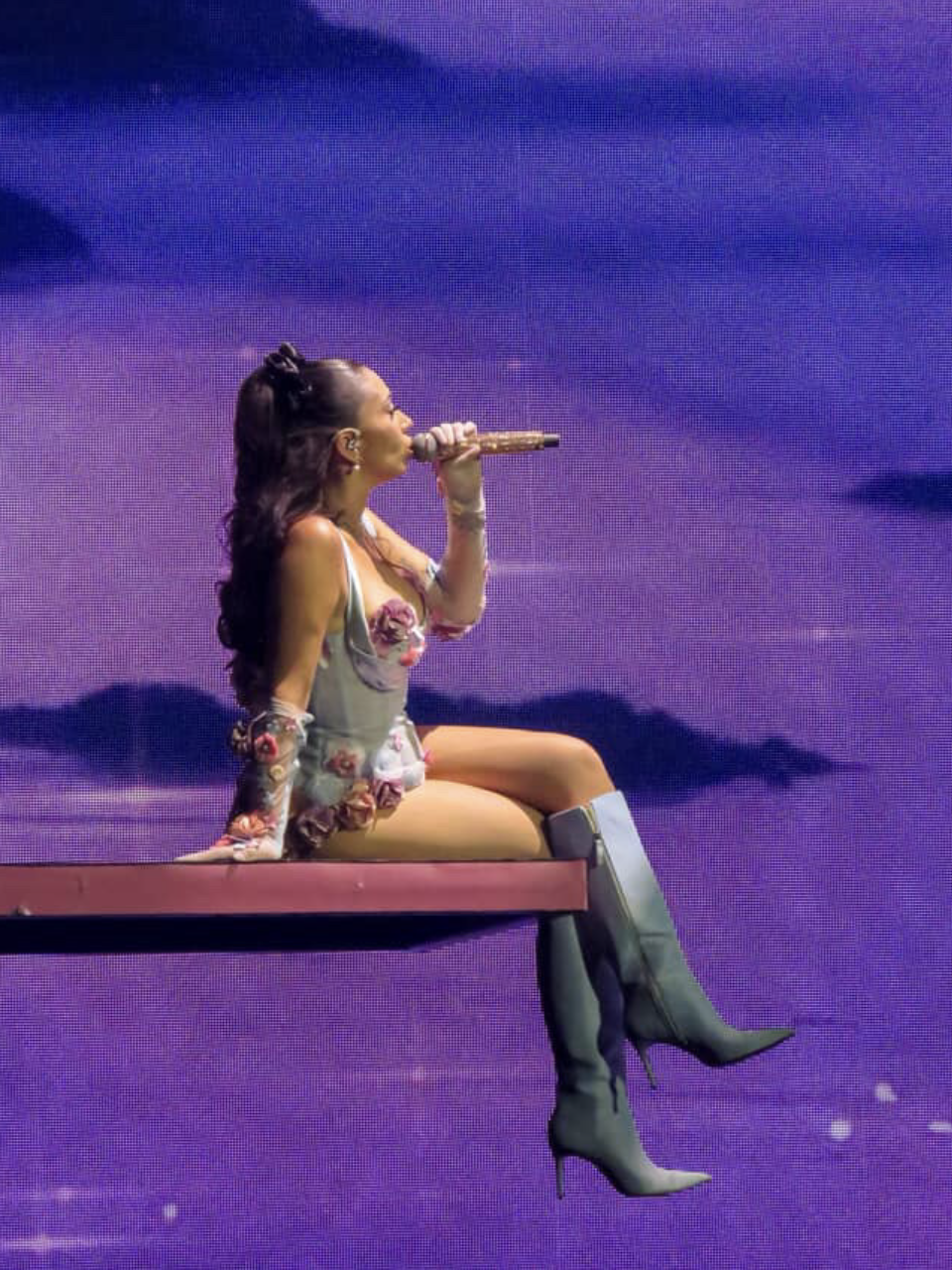
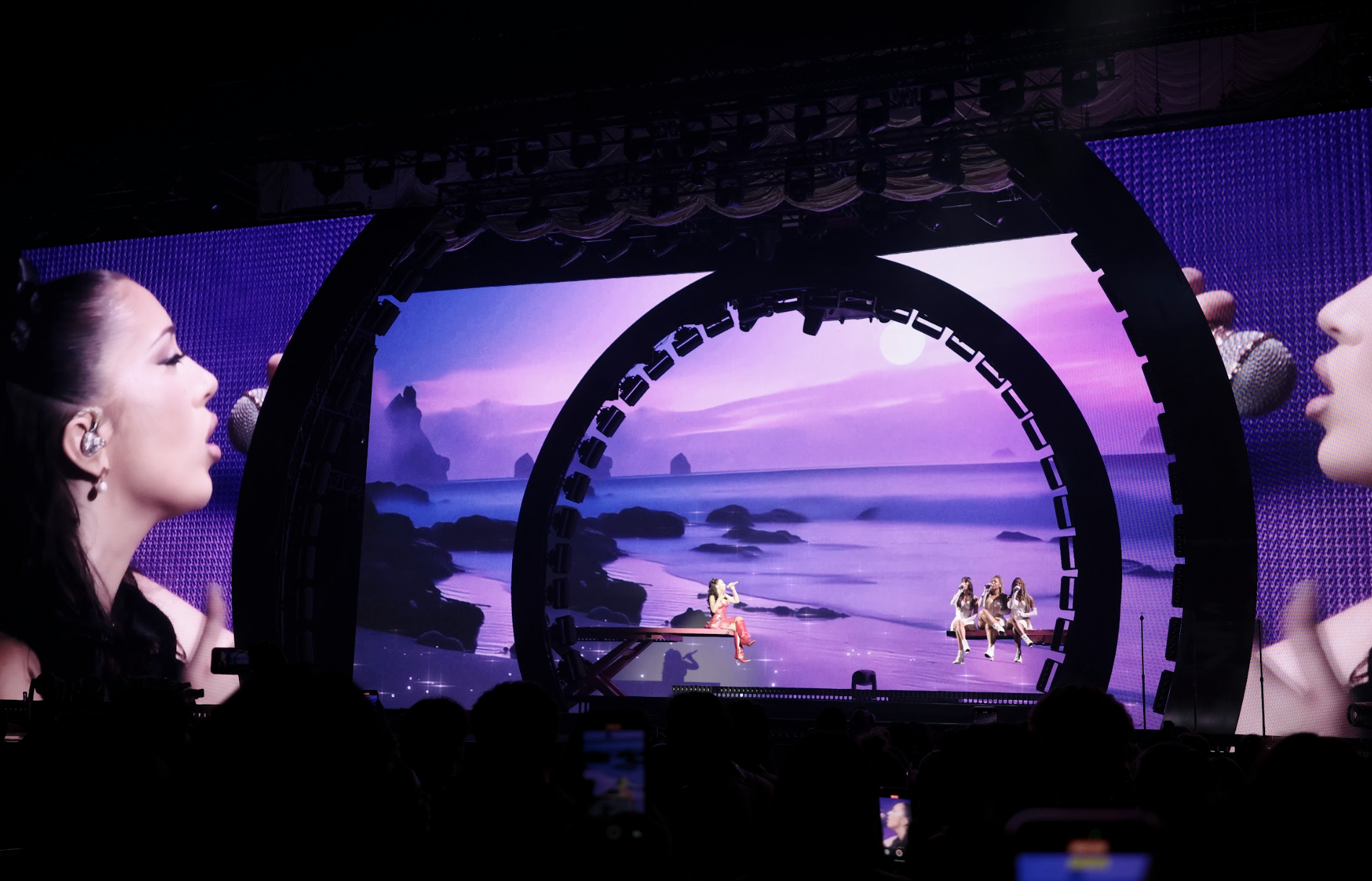
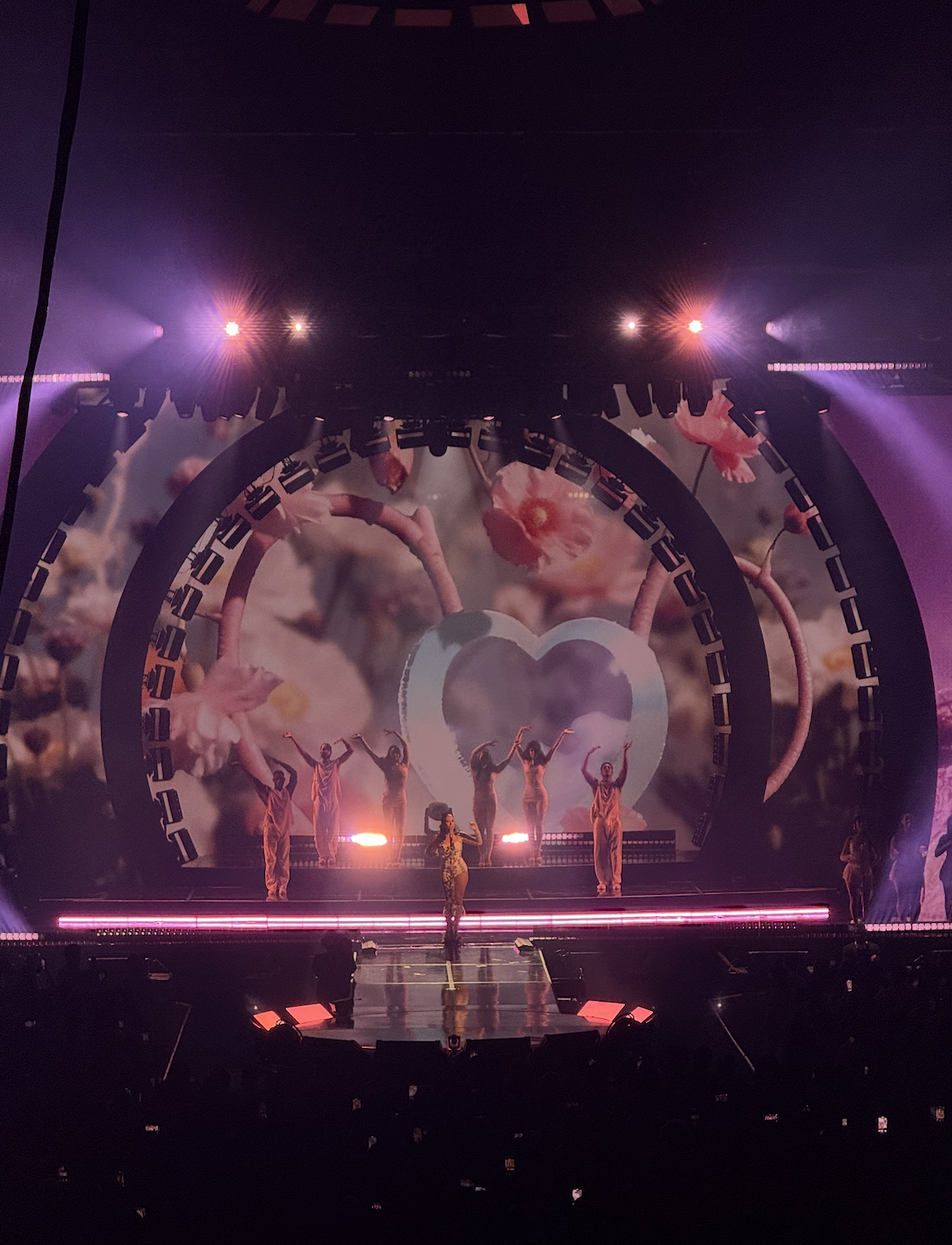
Pictured above : Work by chaosdreamland , ephemeralariel and boldtron For Kali Uchi’s Sincerely Tour
The Backlash Window Is Already Open
We've seen it happen. A major brand launches an AI-generated campaign. The internet notices. Whether the response is curiosity, criticism, or outright hostility depends heavily on the brand, the execution, and the cultural moment, but the scrutiny is real and it is intensifying.
Audiences are becoming more capable of identifying AI content, more aware of the debates around it, and, for certain demographics, more inclined to view it negatively.
There is a window right now in which brands are willing to absorb that scrutiny because the novelty benefit outweighs the reputational cost. That window is not permanent. As AI content becomes ubiquitous, the novelty premium disappears.
What remains is a question: does this feel authentic? Does this feel like genuine creative expression, or does it feel like a budget cut dressed up as innovation?
Some brands will step back from AI-generated content entirely, not because the technology has failed, but because they no longer want the conversation it invites. Some already have.
So what happens then? Where does that leave the creators who have built their practice on AI tools?
The Originals Will Survive. The Clones Will Not.
Here is what I genuinely believe, and what I think the next few years will demonstrate clearly: in an oversaturated world where anyone can create and anyone can copy, originality becomes the only defensible position.
When production is democratised, the person who can produce is no longer exceptional. What becomes exceptional is the person who produces work that could only have come from them, work with a distinctive sensibility, a recognisable voice, a point of view that isn't available anywhere else.
The artists who are using AI as a tool to amplify and realise their own creative vision will continue to build real, loyal, durable audiences. The people who are using AI to clone trends, reproduce aesthetics, and chase what's already working will find themselves in an increasingly crowded race to the bottom, competing against an ever-growing volume of derivative content.
This has always been true of creative industries. AI makes it more true, faster.
The people who thrive in the next phase of this are not necessarily the ones who were fastest to adopt the tools. They're the ones who had something worth saying before the tools existed, and have now been given a more powerful means of saying it.
The Skill Is Still the Skill
There's a misconception that what AI creators do is effortless; that the technology does the work and the human just takes credit.
This misunderstands what the work actually is.
Knowing how to prompt is a skill. Knowing how to direct an AI model toward a specific aesthetic outcome, to pull out something that doesn't look like everything else coming out of the same tools, to understand the limitations and work deliberately within and against them? That takes time, study, and practice.
Developing a coherent visual language across a body of work takes artistic sensibility that doesn't come from a subscription. Knowing when something is good, when to stop, when to throw it out and start again, that is craft, and craft cannot be automated.
The idea that AI has made creative skill irrelevant is the same argument people made about photography and painting, desktop publishing and graphic design, and Auto-Tune and musicianship. In each case, the tools changed. The requirement for genuine creative intelligence did not.
Where This Is Heading
The oversaturation is coming. In many ways it's already here.
The volume of AI-generated content flooding every platform is increasing at a rate that human attention simply cannot keep pace with. In that environment, the content that rises is the content that is unmistakably itself, that carries a signature, a perspective, an originality that the algorithm didn't generate and a competitor can't easily replicate.
The brands that will want to work with AI creators long-term are the ones who understand this. They're not looking for cheap content. They're looking for creative vision that happens to be delivered through AI tools. The distinction is everything.
The credits still cost money. The time still costs time. The ideas, the real, original, surprising, specific ideas, are still the hardest thing to come by, and the most valuable thing on offer.
Boldtron was right. The idea is the currency. It always was. AI just made that fact impossible to ignore.
