The Idea Is the Currency Now
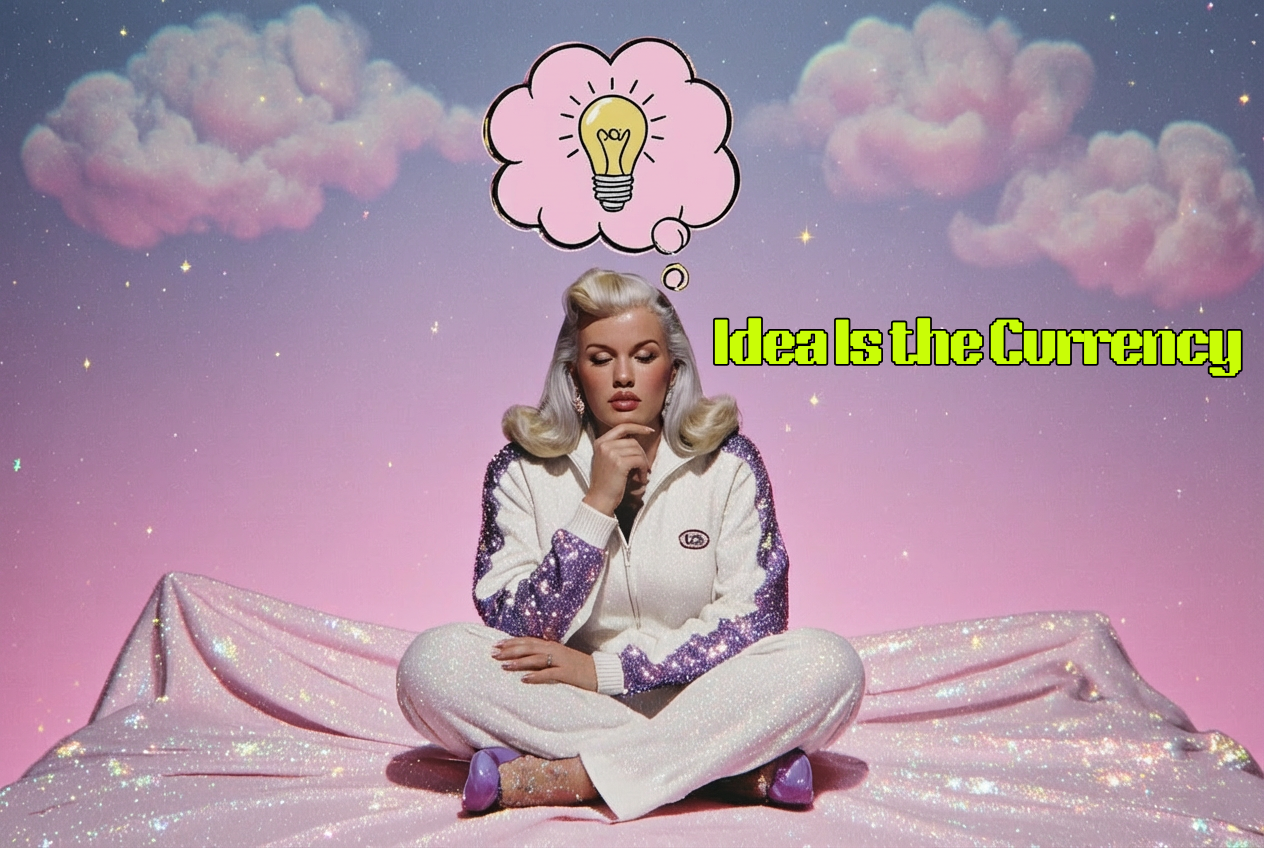
A fellow creator, Xavi Cardona of Boldtron, said something recently that I haven't been able to stop thinking about. It was simple, almost offhand, but it landed with weight ; *the idea is now the currency.*
Xavi and his brother Daniel are the Barcelona-born duo behind Boldtron, and if you move in AI creative circles you will almost certainly know their work.
Coming from over twenty years of experience in 3D, CGI, and VFX; working as art directors and illustrators across Europe and Asia, they are not people who stumbled into AI from nowhere.
They brought deep technical pipelines and hard won creative discipline to the tools from day one, and the work reflects it.
Xavi has become one of the most respected voices in the community, not only for the quality and originality of what Boldtron produces, but for the role he plays in shaping how the broader creative ecosystem engages with these tools most notably through his involvement in Krea's creative partnership program, where he has been central to developing and overseeing how serious artists work with the platform.
I won't claim to be influenced by Boldtron's specific aesthetic, they have a visual language that is entirely their own and not something to be borrowed lightly. But the willingness to push into new territory, to treat emerging tools as creative infrastructure rather than novelty, and to do so without abandoning the craft foundations that twenty years of professional work built, that has been an influence on how I think about my own practice. The spirit of it, if not the style.
We were both contributors to the visual work for Kali Uchis' Sincerely Tour; background visuals for live shows that also featured the work of another extraordinary AI artist; Ariel Rosso, an Oakland-based art director whose dreamy, pastel-hued work blends fine art, photography, and AI in a way that is completely singular.
Seeing that work live, alongside more traditionally produced CG, on a major international stage was its own kind of proof of concept for what this moment in creative technology actually represents.
AI-generated work, made by independent artists with genuine vision, holding its own in one of the most scrutinised visual contexts there is.
Which brings me back to what Xavi said. In a world where anyone can create anything, that observation cuts right to the heart of what creative value actually is and where it's going.
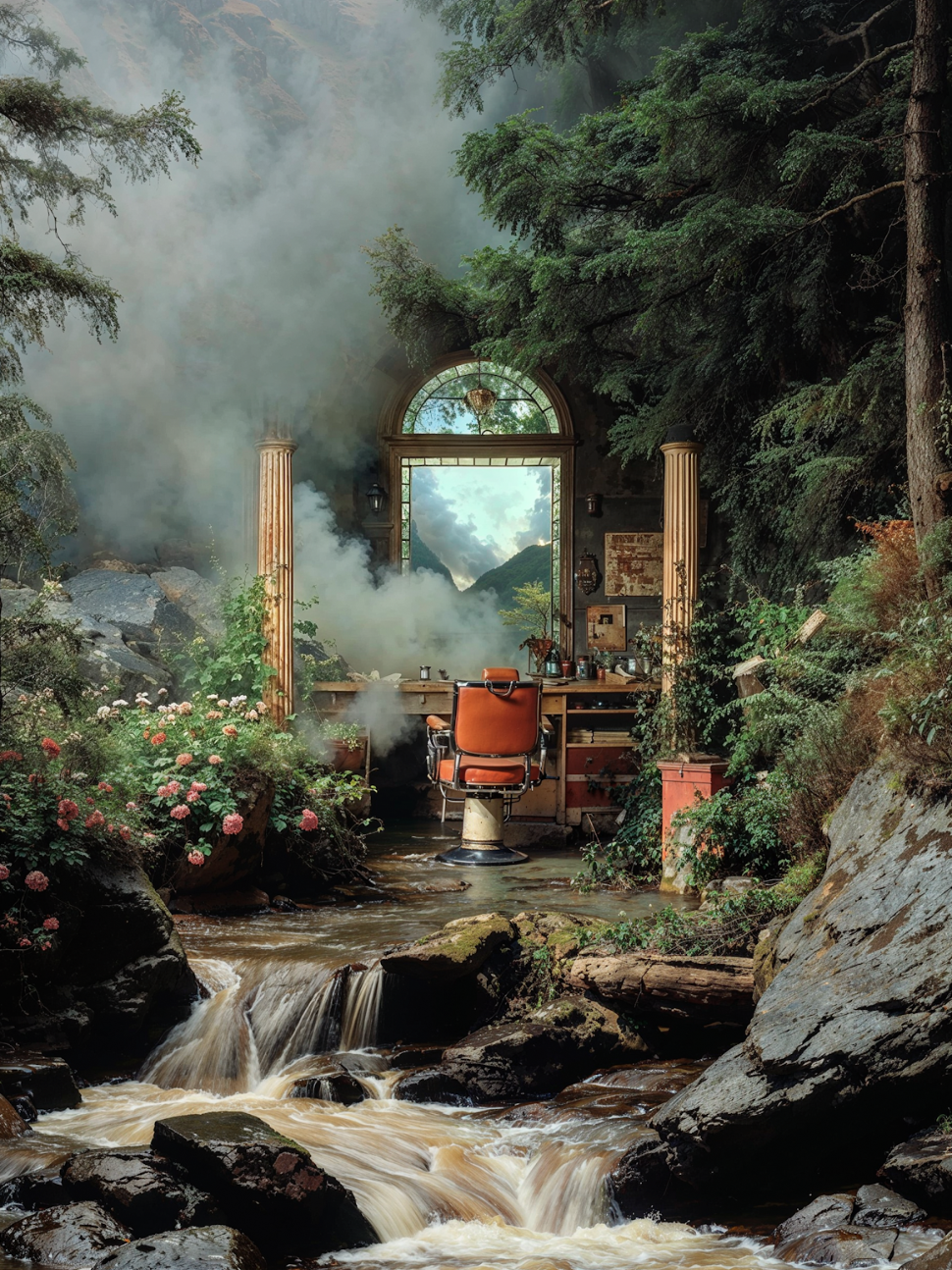
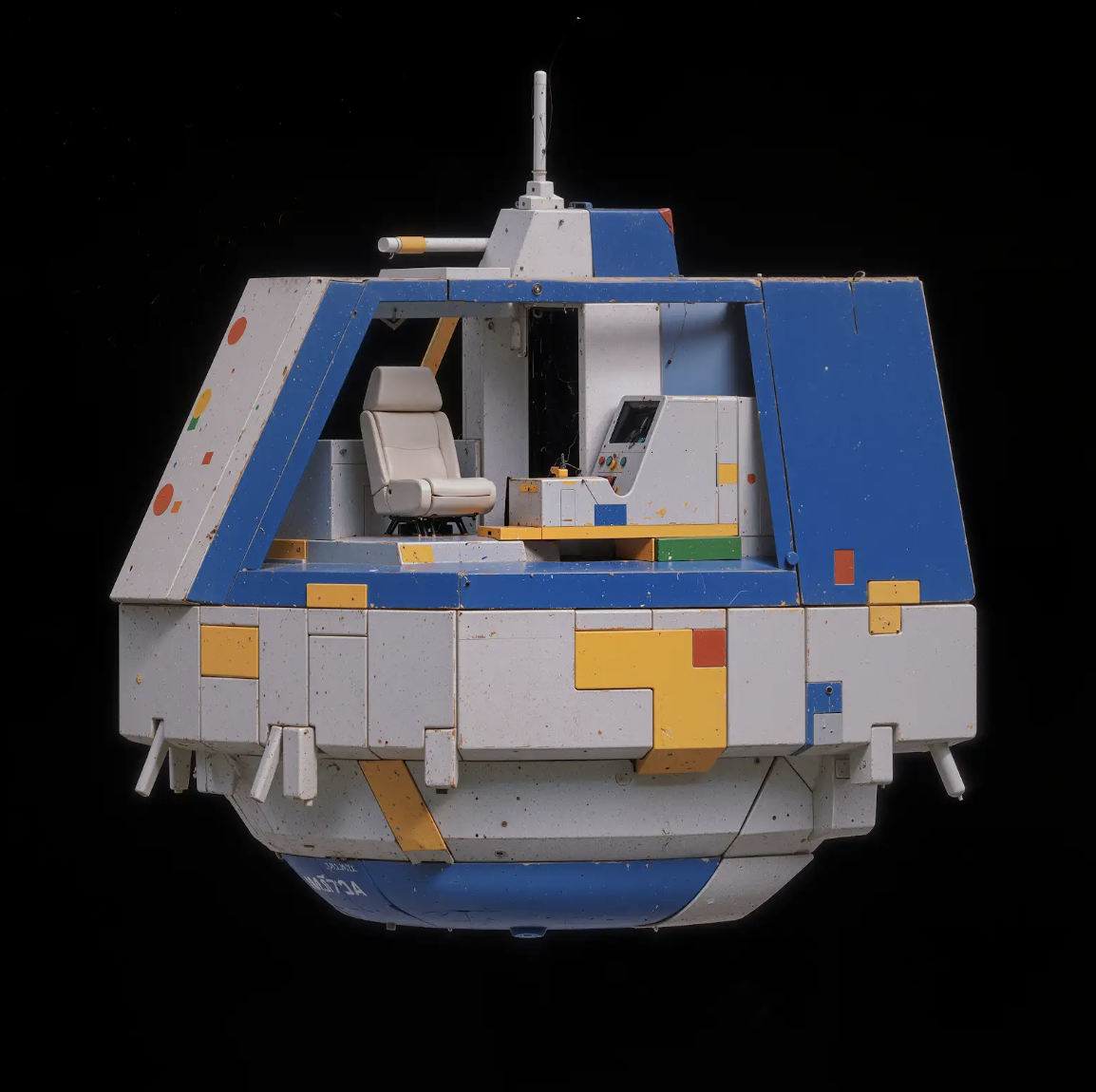
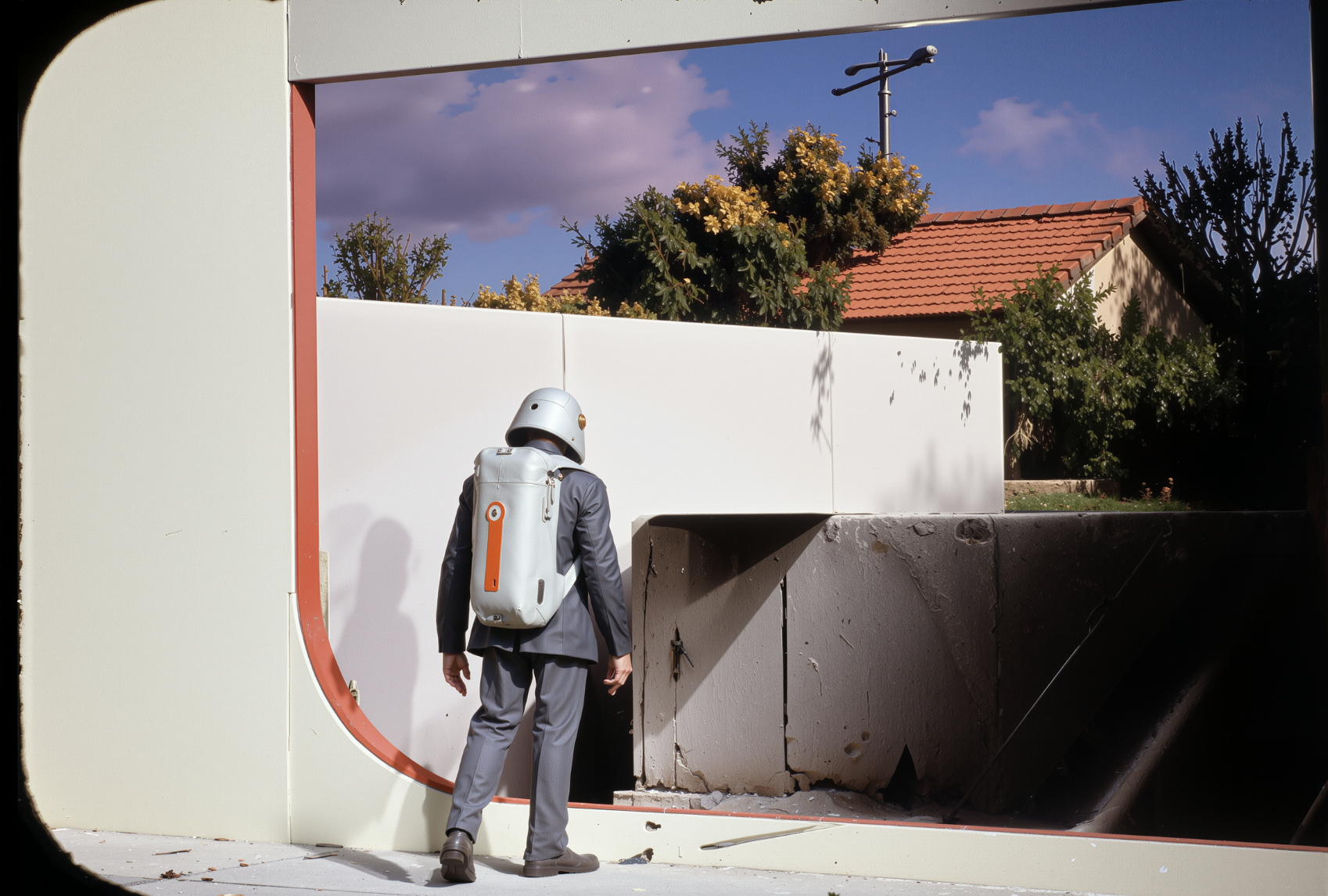
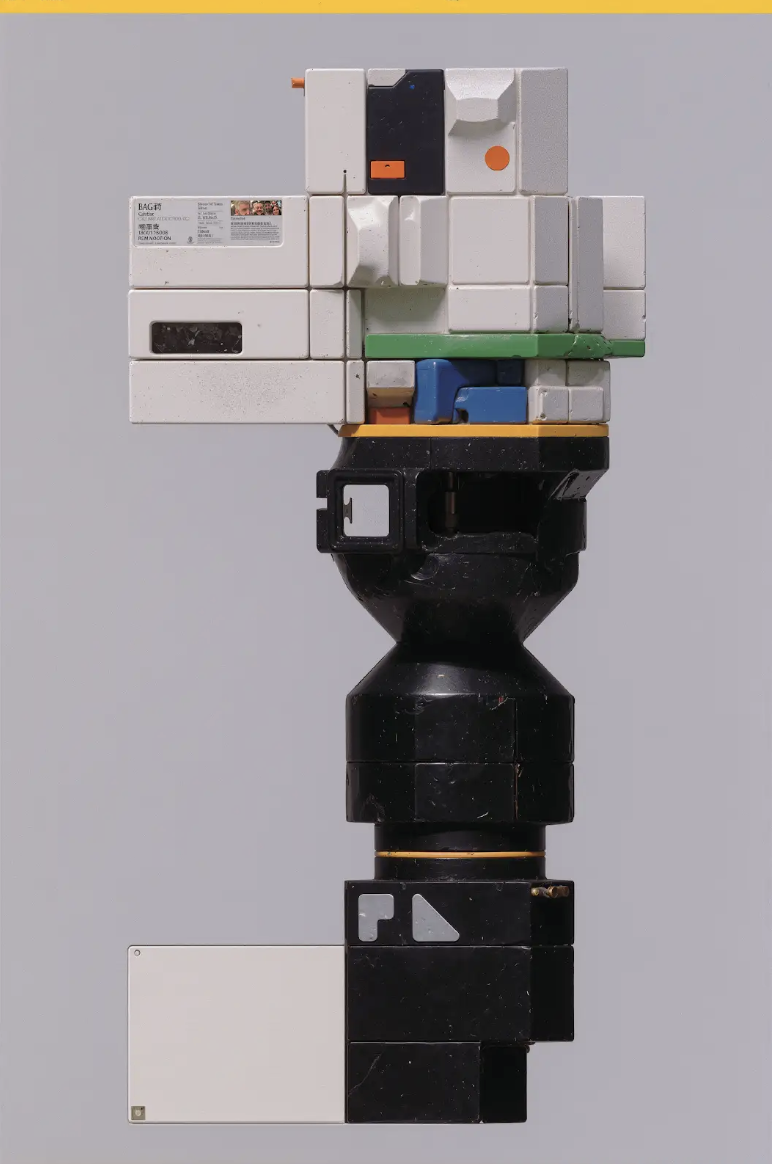
Work by Boldtron
The Levelling Has Happened. Now What?
For most of creative industry history, execution was the barrier. You had an idea? Great. Could you afford the studio, the crew, the talent, the equipment, the post production, the distribution? Could you get in the room with the people who controlled all of those things? If not, the idea stayed in your head, and someone with more resources made a worse version of it, or didn't make it at all.
AI has changed that equation in ways that are still being absorbed. The budget barrier to visual production has collapsed. A single creator with a laptop and a subscription can now produce imagery, video, and audio that would have required a six-figure production budget five years ago. That is not hyperbole, it is a straightforward description of where the technology sits in 2026.
The playing field has tilted. Not perfectly level, not without its own new hierarchies, but tilted meaningfully in favour of the person with the idea, rather than the person with the capital.
But here's where it gets interesting, and where a lot of people are getting the story wrong: levelling the production barrier doesn't make ideas cheaper. It makes them more expensive, in the sense that they become the primary differentiator. When everyone can execute, what separates you is what you thought of.
Don't Confuse Accessible Tools With Free Creation
There's a romanticised version of the AI creative revolution that glosses over something important: this stuff isn't free. Credits cost money. Good tools cost money. Time, the most finite resource any creator has, costs money.
The hours spent learning how to use these platforms, developing a workflow, understanding their limitations and their possibilities, are hours that have real value and real cost attached to them.
The barrier to entry has lowered. The investment required to produce genuinely good work has not.
If you are treating AI image or video generation as a vending machine; prompt in, output accepted, done, you will get vending machine results.
Distinguishing yourself requires exactly the same things it always has: vision, taste, craft, and the relentless willingness to iterate until the work is right.
The tools are more accessible. The talent required to use them well is not.
The Pivot to AI in Advertising Was Always About Two Things
Right now, we are watching a significant and accelerating pivot in the advertising industry toward AI-generated content. It's happening at agency level, at brand level, and at the indie creator level, and it's being driven by two forces that are worth separating, because they have very different shelf lives.
The first is cost. AI production is dramatically cheaper than traditional production for many categories of content. That's real, it's durable, and it's going to permanently reshape how certain types of content get made. The economics are not going back.
The second is novelty. AI-generated advertising is new, and new is interesting. There's a category of brand right now that wants the conversation around AI, wants the awareness, the edge, the signal that they are technologically forward. For those brands, AI isn't just a production tool, it's a positioning statement.
Novelty, by definition, expires. And there's a third force now entering the picture that neither pure cost logic nor novelty fully accounts for: backlash.
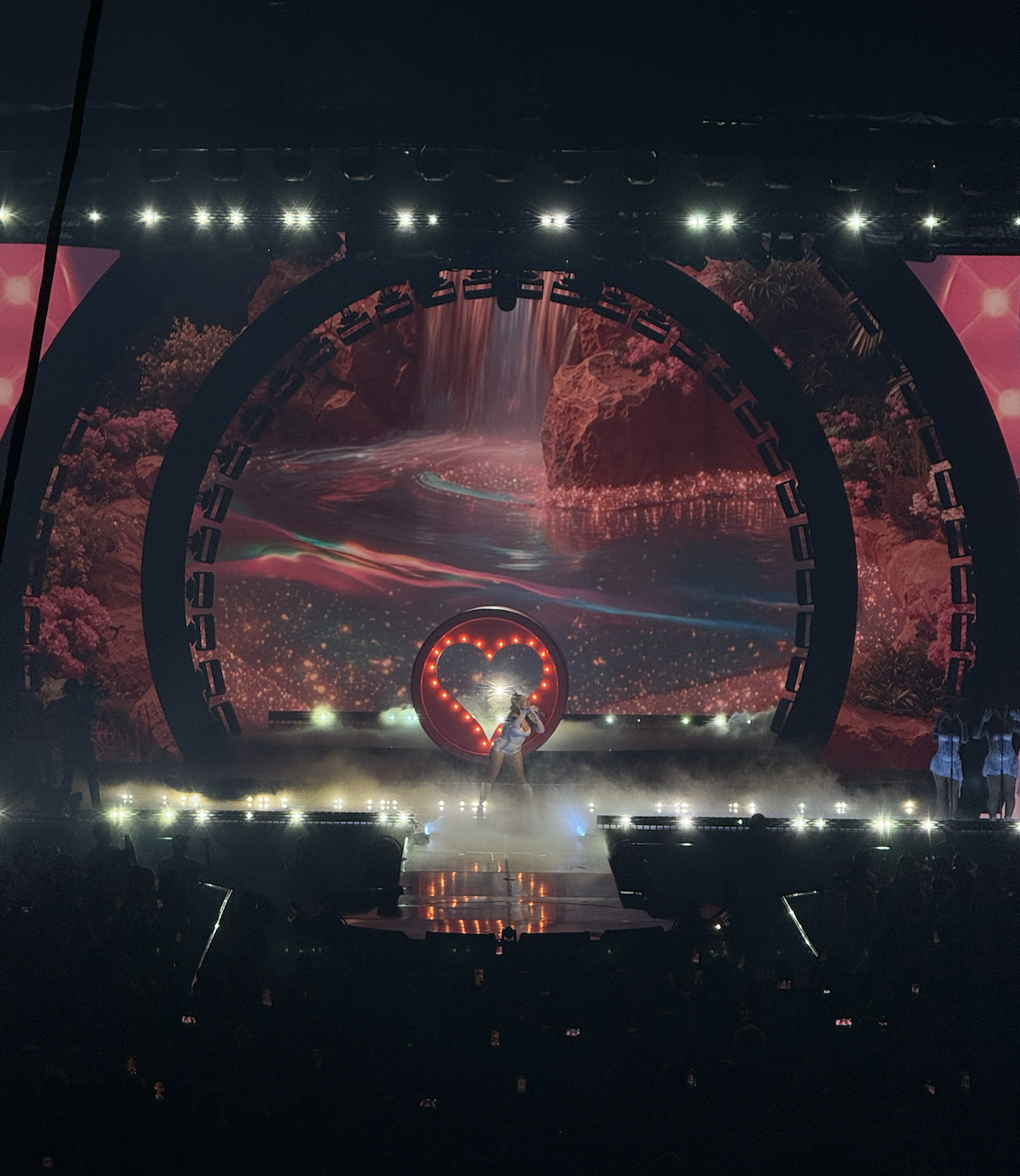
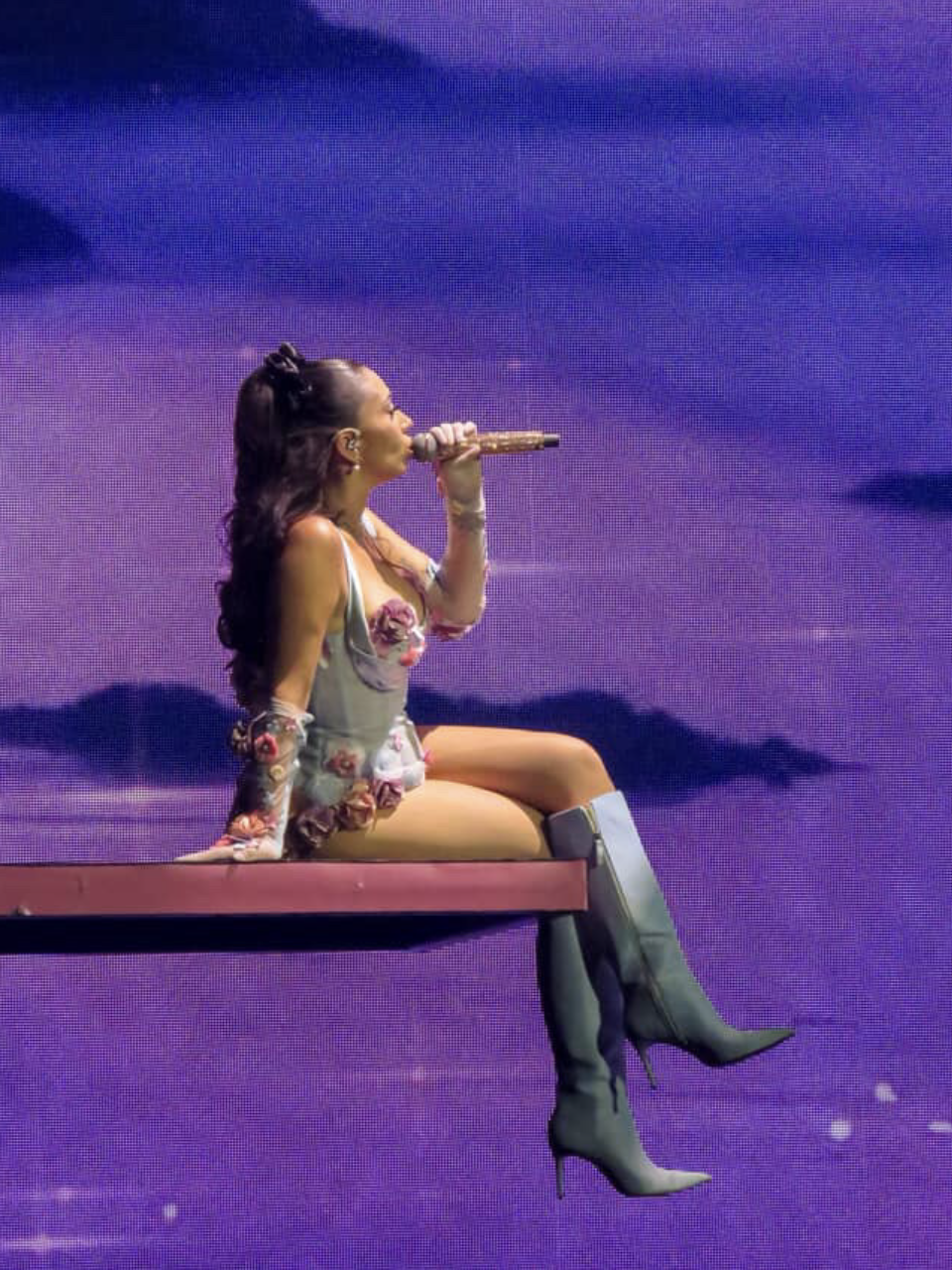
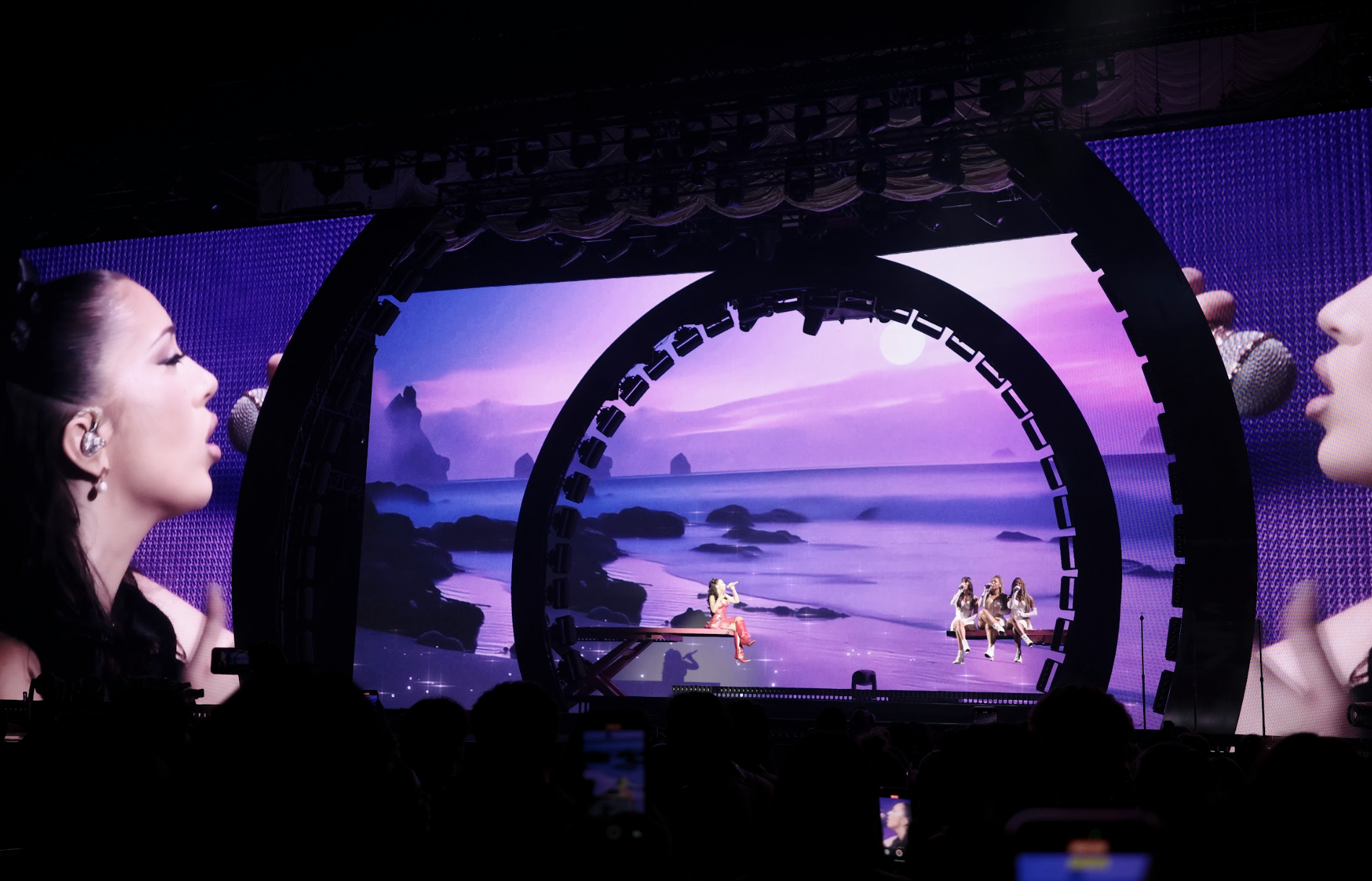
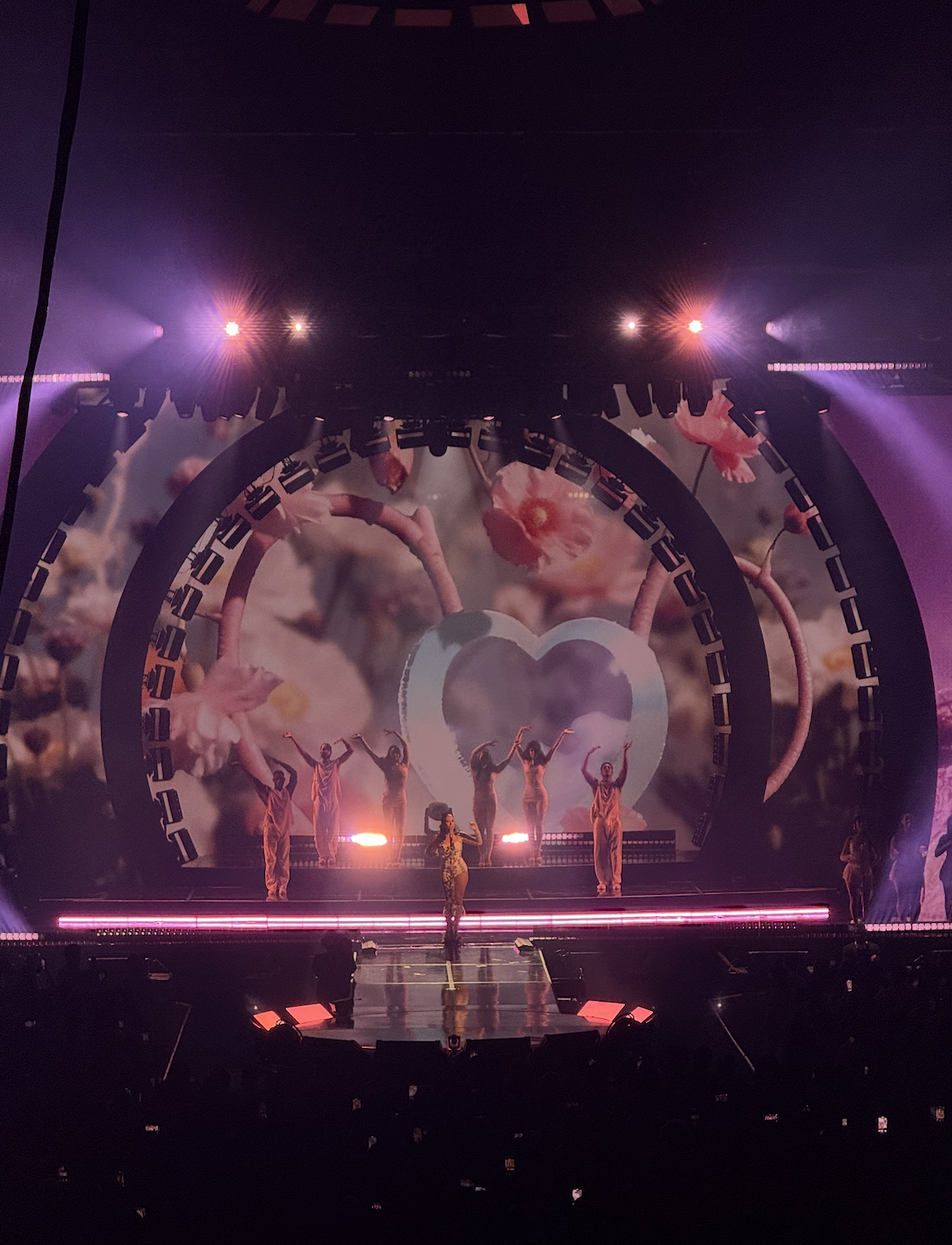
Pictured above : Work by chaosdreamland , ephemeralariel and boldtron For Kali Uchi’s Sincerely Tour
The Backlash Window Is Already Open
We've seen it happen. A major brand launches an AI-generated campaign. The internet notices. Whether the response is curiosity, criticism, or outright hostility depends heavily on the brand, the execution, and the cultural moment, but the scrutiny is real and it is intensifying.
Audiences are becoming more capable of identifying AI content, more aware of the debates around it, and, for certain demographics, more inclined to view it negatively.
There is a window right now in which brands are willing to absorb that scrutiny because the novelty benefit outweighs the reputational cost. That window is not permanent. As AI content becomes ubiquitous, the novelty premium disappears.
What remains is a question: does this feel authentic? Does this feel like genuine creative expression, or does it feel like a budget cut dressed up as innovation?
Some brands will step back from AI-generated content entirely, not because the technology has failed, but because they no longer want the conversation it invites. Some already have.
So what happens then? Where does that leave the creators who have built their practice on AI tools?
The Originals Will Survive. The Clones Will Not.
Here is what I genuinely believe, and what I think the next few years will demonstrate clearly: in an oversaturated world where anyone can create and anyone can copy, originality becomes the only defensible position.
When production is democratised, the person who can produce is no longer exceptional. What becomes exceptional is the person who produces work that could only have come from them, work with a distinctive sensibility, a recognisable voice, a point of view that isn't available anywhere else.
The artists who are using AI as a tool to amplify and realise their own creative vision will continue to build real, loyal, durable audiences. The people who are using AI to clone trends, reproduce aesthetics, and chase what's already working will find themselves in an increasingly crowded race to the bottom, competing against an ever-growing volume of derivative content.
This has always been true of creative industries. AI makes it more true, faster.
The people who thrive in the next phase of this are not necessarily the ones who were fastest to adopt the tools. They're the ones who had something worth saying before the tools existed, and have now been given a more powerful means of saying it.
The Skill Is Still the Skill
There's a misconception that what AI creators do is effortless; that the technology does the work and the human just takes credit.
This misunderstands what the work actually is.
Knowing how to prompt is a skill. Knowing how to direct an AI model toward a specific aesthetic outcome, to pull out something that doesn't look like everything else coming out of the same tools, to understand the limitations and work deliberately within and against them? That takes time, study, and practice.
Developing a coherent visual language across a body of work takes artistic sensibility that doesn't come from a subscription. Knowing when something is good, when to stop, when to throw it out and start again, that is craft, and craft cannot be automated.
The idea that AI has made creative skill irrelevant is the same argument people made about photography and painting, desktop publishing and graphic design, and Auto-Tune and musicianship. In each case, the tools changed. The requirement for genuine creative intelligence did not.
Where This Is Heading
The oversaturation is coming. In many ways it's already here.
The volume of AI-generated content flooding every platform is increasing at a rate that human attention simply cannot keep pace with. In that environment, the content that rises is the content that is unmistakably itself, that carries a signature, a perspective, an originality that the algorithm didn't generate and a competitor can't easily replicate.
The brands that will want to work with AI creators long-term are the ones who understand this. They're not looking for cheap content. They're looking for creative vision that happens to be delivered through AI tools. The distinction is everything.
The credits still cost money. The time still costs time. The ideas, the real, original, surprising, specific ideas, are still the hardest thing to come by, and the most valuable thing on offer.
Boldtron was right. The idea is the currency. It always was. AI just made that fact impossible to ignore.
The Nostalgia Economy: Are We Running Back to the Past Because the Future Has Started to Frighten Us?
Quiet resistance against a culture of infinite access
Something quiet but significant is happening in consumer culture.
People are buying vinyl records again. Not just older generations reconnecting with something they lost, Gen Z, who grew up entirely in the streaming era, are the ones driving significant portions of the resurgence.
Cassette tapes, a format most people assumed was dead and buried, have seen an eightfold increase in sales over the past decade in the United States alone.
DVD rental shops are reopening .
Independent bookshops are multiplying. Physical media, in almost every category, is quietly staging a comeback that the mainstream cultural conversation hasn't fully reckoned with.
The easy explanation is nostalgia. And nostalgia is part of it. But I think if we stop there, we miss something more interesting, more urgent, and more telling about where we actually are as a culture right now.
We Have Always Cycled Back
Before we get to AI and anxiety and the state of the world, it's worth acknowledging something that fashion historians and cultural theorists have documented for decades: we cycle. Always have.
The rough rule of thumb is a twenty to thirty year loop. Trends, aesthetics, and cultural touchstones from a previous generation become interesting again to the generation that didn't live them the first time, experienced through the filter of their parents' attics, charity shops, and the mythology that time builds around any era.
The nineties became cool again in the 2010s. The seventies came back in the nineties. The eighties are perpetually being rediscovered by someone.
Fashion moves in the most obvious cycles; silhouettes, colour palettes, denim cuts, heel heights. But the same pattern plays out in music, interior design, film aesthetics, and the technology we choose to surround ourselves with.
There is nothing inherently alarming about this. It's one of the ways culture breathes, exhales what it has processed, and reaches back for things that got left behind.
By that logic, the return of physical media makes complete sense on a purely cyclical basis. The generation currently in their late teens and twenties is reaching the age at which they're forming their adult cultural identity, and the era that sits twenty to thirty years behind them; the nineties and early 2000s, the golden age of the CD, the DVD, the Walkman, the video rental store; is right there, romantic with distance, available to be adopted as aesthetic and identity.
The cycle is doing exactly what the cycle does.
But I don't think the cycle fully explains it this time. Because the timing has collided with something else.
The Technology That Used to Feel Like Magic Now Feels Like a Threat
Cast your mind back to the feeling of the early internet.
The first time you downloaded a song. The first time you streamed a video. The first time you carried your entire music library in your pocket.
There was a quality to early consumer technology, even into the smartphone era, that felt genuinely wondrous. Innocent, almost.
The possibilities felt limitless in the best sense of the word. The worry hadn't arrived yet.
That feeling is gone now. And I think a significant number of people feel its absence, even if they can't name exactly what changed.
What changed is that the technology got consequential in ways that are genuinely frightening. AI platforms are in conversations with world governments about military applications. Autonomous systems are being considered for weapons targeting. Deepfakes are being used to destabilise elections and destroy reputations.
Entire creative professions are being disrupted faster than the social safety nets designed to catch people can respond. The same tools that generate a beautiful image or write a piece of music are entangled, structurally, with a much larger set of developments that carry real stakes and real darkness.
The thrill of new technology used to feel innocent. It no longer does. And that loss is significant.
Physical Media as a Kind of Refusal
When I look at the physical media resurgence through this lens, something shifts in how it reads.
Putting a record on, or a CD in the car, just for that moment, you forget about everything that's happening. There's a release in it. Something that the algorithm cannot provide, because the algorithm is part of what people are trying to release from.This is not naive. It's a coherent response to a real condition.
Physical media offers something that digital consumption has systematically eroded: ownership, permanence, and legibility. You can hold a record. You know exactly what it is, where it came from, and that it will still be there tomorrow regardless of what a licensing agreement or a corporate acquisition decides. Streaming services have spent the last decade demonstrating, repeatedly, that content you thought you had access to can simply disappear.
Amazon was sued over it. California passed legislation about it. People remember that films they loved vanished from platforms overnight, and they are responding rationally by buying the disc.But beyond the practical, there is the tactile.
The ritual. The act of browsing physical shelves in an actual shop, making a choice, taking something home, holding it.
These are experiences that engage the body, not just the screen. They happen in time and space rather than in the frictionless, context-free scroll. And increasingly, they feel like acts of quiet resistance against a culture of infinite access that has somehow managed to make people feel like they own less than ever before.
Is This About AI Specifically?
Here's the question I keep turning over: is the physical media resurgence a direct reaction to the rise of AI, or would it be happening anyway as part of the natural cultural cycle?
My honest answer is that it's both, and that the two forces have arrived at the same moment in a way that is amplifying each other.
The cultural cycle would have brought the nineties back regardless. That's just how the pattern works. But the particular intensity of the current retreat into tangible, legible, human-scaled things; the bookshops, the record stores, the video rental revival — feels like it carries an additional charge that the cycle alone doesn't fully account for.
AI has made the question of what is real, what is made by a human, what is authentic and what is generated, newly urgent in everyday life. Every image is now potentially synthetic. Every voice could be cloned. Every piece of writing might have emerged from a model rather than a mind. The ground that used to feel solid under concepts like "genuine" and "original" and "made by a person" has become uncertain.
Physical media is immune to this uncertainty in a way that digital content fundamentally isn't. A vinyl record was cut. A physical book was printed. A DVD was manufactured. These objects have a material provenance that can't be faked in the same way, and in a cultural moment where provenance and authenticity have become genuinely contested, that materiality carries a new kind of value.
The bookshop that offers human curation over algorithmic recommendation isn't just selling books. It's selling the reassurance that a person; with taste, with knowledge, with a point of view, made a choice about what deserves to be on these shelves. That's a specific thing that AI cannot replicate, and people are paying for it with their feet and their wallets.
The Aesthetic Counter reaction
There's a parallel movement happening in creative work itself that reflects the same impulse.
Film grain is back. Deliberately imperfect photography is ascendant. Lo-fi music production, with its tape hiss and room noise, commands serious cultural currency. There is a growing appetite for the evidence of human hands in the work; the mistake left in, the imperfection that signals a person was here, making decisions, in real time.
This is a direct counter reaction to AI's hyper-polish. The images that emerge from generation tools are technically flawless in a way that human production rarely is. And that flawlessness, once it becomes the baseline, starts to feel like a tell. Perfection reads as synthetic. Imperfection reads as real.
Which means that in a strange reversal, the "premium" product in certain creative contexts is now the one that shows its workings. The analog texture. The human error. The proof of presence.
Where This Leaves Us
I don't think the nostalgia economy is simply escapism, though it contains that element. I think it's a coherent cultural response to a set of real and legitimate anxieties about what technology is becoming, what authenticity means in an age of generative AI, and what we lose when everything is infinitely reproducible, infinitely accessible, and owned by nobody.
The cycle is real. The nineties were always coming back. But they're arriving with extra weight this time, because they represent something specific that people are consciously or unconsciously reaching for: a moment when technology felt like it was on our side, when the wonder of it was innocent, when you could put a disc in a player and the whole transaction was legible and yours.
That feeling isn't coming back. The technology has crossed too many thresholds. But the desire for it; for legibility, permanence, human scale, the evidence of craft and presence in the things we consume, that's not going anywhere either.
And perhaps the most interesting creative opportunity in all of this is for the people who can hold both things at once. Who work fluently with the new tools and understand deeply what the culture is hungry for. Who can make work that carries, somehow, the warmth and the weight of something real, even when the means of making it are entirely new.
The past isn't the answer. But it's pointing at something the present hasn't figured out how to give people yet.
That gap is where the most interesting work will happen.
The Coming Legal Storm Over AI Likeness; And Why Creators Should Pay Attention Now
There's a new industry quietly taking shape, and if you're an AI content creator, it's going to change the game for you faster than you might expect.
We are beginning to see the early foundations of a digital likeness licensing economy. The premise is straightforward: your face, your voice, your persona; the constellation of attributes that make you, you, have measurable commercial value.
AI can now replicate all of them with startling fidelity. And where there is commercial value, legal frameworks follow.
Agencies and AI-focused start-ups are already positioning themselves as the managers of "digital avatars"; AI-rendered representations of real people that can be deployed commercially in controlled, legally sanctioned ways.
Think of it as talent management, but for your digital double. The same way a traditional talent agency negotiates a celebrity's appearance in a commercial or film, these new players will negotiate the terms under which a celebrity's AI likeness can be used, in what contexts, by whom, and for how much.
This is not speculation. SAG-AFTRA has already begun negotiating AI likeness provisions into contracts. Several high-profile deals have emerged where celebrities have explicitly licensed (or explicitly refused to license) their digital likeness to studios and platforms. The infrastructure for a formal market is being built right now.
Why This Matters for the Viral AI Content Ecosystem
Here's the tension: a massive portion of the current viral AI content economy is built on something that formal likeness licensing will make legally indefensible.
Scroll through any major social platform and you'll find entire accounts dedicated to generating images or videos of celebrities in fictional, surreal, or humorous scenarios. A famous actor placed in a historical setting. A musician rendered in a fantasy world. A politician imagined in an absurd situation. These posts routinely rack up hundreds of thousands of engagements. Recognisable faces drive clicks, and clicks drive reach and that's the simple, brutal economics of it.
The creators making this content have, until recently, operated in a grey zone. The technology was new, the legal precedents were sparse, and enforcement was patchy. But that grey zone is narrowing rapidly, and it is going to close.
The Legal Reality That's Coming
Intellectual property law has long recognised the "right of publicity"; an individual's right to control the commercial use of their name, image, and likeness. In the United States, this right is protected in most states, with particularly strong statutes in California and New York. The UK has analogous protections through passing off law and, increasingly, data protection frameworks. Many other jurisdictions are moving in the same direction.
Historically, enforcing these rights against every unauthorised caricature or parody was impractical and often not worth the legal cost. But the calculus changes when the reproduction is photorealistic, when it's being used to drive commercial engagement on monetised platforms, and when the volume of infringement is industrial rather than individual.
Celebrities and their estates are not going to leave this on the table indefinitely. They have every rational incentive to pursue compensation, and they will be backed by legal teams that the average content creator simply cannot compete with. A single cease-and-desist from a major entertainment law firm, let alone a full infringement lawsuit, could be financially devastating for an independent creator.
The precedents being set right now in film, in music, in advertising, will establish the playbook. Once the first wave of high-profile enforcement actions lands against individual creators, the chilling effect will be immediate.
The Tool Agreements Already Say No
What's perhaps most striking is that many creators producing this content are already in violation of the terms of service of the very tools they're using to make it.
The major AI image and video generation platforms are not naive about their legal exposure. Most of them have written explicit prohibitions into their user agreements against generating realistic likenesses of real people without their consent. When you agreed to use the tool, you agreed not to do exactly what much of this content does.
This matters for two reasons. First, it means the platform will not protect you if legal action is taken. In fact, they may be compelled to cooperate with discovery. Second, it means you have no defence of good faith. You were told. You continued anyway.
A Structural Shift Is Inevitable
Here is where the long arc of this goes: as the licensing infrastructure matures, a two-tier ecosystem will emerge. There will be officially sanctioned AI content featuring celebrity likenesses produced under contract, with revenue-sharing, appearing on approved platforms. And there will be everything else, which will increasingly be the target of enforcement.
The creators who have built audiences on unauthorised likeness content will face a choice: pivot to original AI content, find a way to get licensed access, or absorb the legal risk. None of those options are as easy as what many are doing today.
A Genuine Note of Caution
None of this is written to alarm for the sake of it. It's written because the warning signs are visible now, before the storm, and that's the best time to change course.
If you're building an AI content practice, the most durable version of that practice is one grounded in original creative work — distinctive aesthetics, fictional characters, AI personas that belong to you. That's also where the real long-term value lies. Audience loyalty built around someone else's face is fragile. Audience loyalty built around your own creative voice is not.
The digital likeness economy is coming, and it will be a legitimate and fascinating industry. But it will run on consent and contracts. Creators who are still operating on the assumption that the current grey zone will last indefinitely are taking on a risk that simply isn't worth it.
Be thoughtful. Build something that's yours. The landscape is shifting faster than most people realise.